Colaba Causeway

About
Colaba Causeway in Mumbai is more than just a shopping street – it is a lively tapestry of culture, history, and urban energy. Stretching across the Colaba neighbourhood, this iconic lane draws visitors from across India and the world, eager to explore its unique blend of heritage and contemporary retail. Known for its bustling sidewalks, colourful street stalls, and eclectic boutiques, Colaba Causeway offers everything from handcrafted jewellery and antiques to trendy apparel and souvenirs.
Key highlights of Colaba Causeway:
  • Proximity to landmarks: Just minutes away from the Gateway of India and Taj Mahal Palace Hotel
  • Street shopping: A wide range of items including handicrafts, artwork, clothing, and accessories
  • Local eateries: Famous cafes and restaurants serving Mumbai street food and international cuisine
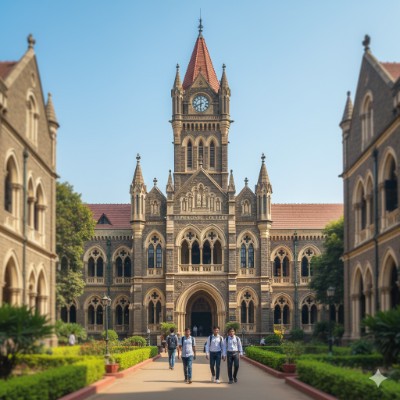
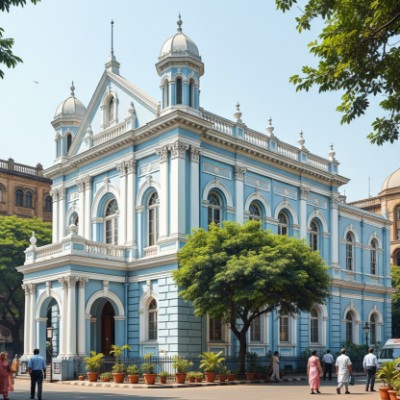
  • Heritage architecture: Colonial-era buildings lining the street add charm and history
  • Vibrant street life: Street performers, musicians, and artists create a lively atmosphere
Visitors can stroll through the avenue, soaking in the sights, sounds, and smells of Mumbai. The street is especially lively during weekends and holidays, making it a hotspot for both casual tourists and serious shoppers. Whether you are hunting for rare antiques, trendy fashion, or simply enjoying a coffee at one of the quaint cafes, Colaba Causeway promises an immersive experience. Colaba Causeway also reflects the cosmopolitan nature of Mumbai, blending traditional Indian craftsmanship with modern fashion trends. Its accessibility and central location make it ideal for travellers looking to combine sightseeing, shopping, and cultural exploration in a single visit. A walk along Colaba Causeway is truly a journey into the heart of Mumbai's vibrant lifestyle and rich heritage.

History & Evolution - Colaba Causeway, Mumbai

Colaba Causeway, a historic Mumbai landmark, has been a bustling commercial street since the 19th century. It was originally constructed to connect the Colaba Island with the main city after the reclamation projects of Mumbai. Over the years, it has grown into one of the most vibrant streets, attracting tourists, locals, and artists alike.
Key highlights:

  • Constructed in the 1800s to improve connectivity between Colaba and Mumbai
  • Served as a trade hub for local merchants and British colonial traders

  • Famous for its colonial-era buildings lining the street

  • Witnessed cultural evolution from a British trading zone to a modern shopping and cultural hotspot
  • Maintains heritage charm while hosting contemporary shops, cafes, and art galleries


Facts & Figures - Colaba Causeway, Mumbai

Colaba Causeway in Mumbai is not only a cultural hotspot but also a bustling market with vibrant activity throughout the year. It attracts both tourists and locals looking for shopping, food, and entertainment. Visitors can explore a wide variety of goods while enjoying the heritage ambiance of the street.
Key facts & figures:

  • Total length: Approximately 1.5 km connecting Colaba to the main city

  • Number of shops / vendors: Around 200–250 stalls, boutiques, and stores

  • Footfall: Estimated 10,000–15,000 visitors daily on weekdays; higher on weekends

  • Products & goods categories: Handicrafts, clothing, jewellery, antiques, souvenirs, artwork, and street food

  • Specialty items: Handmade leather goods, Indian jewellery, antique décor, and Bollywood memorabilia

  • Operating days & timings: Open Monday to Sunday, generally from 10 AM to 10 PM; peak hours between 5 PM to 8 PM
  • Accessibility & infrastructure: Easily accessible via Colaba Metro Station, taxis, and buses; pedestrian-friendly sidewalks, parking available nearby

  • Heritage & architecture: Colonial-era buildings and street facades add historic charm, blending with modern shops


Current Scenario - Colaba Causeway

Colaba Causeway today remains one of the liveliest streets in Mumbai, drawing a mix of tourists, locals, and street artists. The market thrives with shops, cafes, and eateries, while retaining its historic charm and colonial-era architecture.
Current highlights:

  • Vibrant crowds: Busy on weekends and holidays, with both domestic and international tourists

  • Street performers & events: Musicians, painters, and cultural events add to the lively atmosphere

  • Renovation & conservation: Municipal efforts maintain cleanliness and preserve the heritage look of buildings

  • Commercial growth: Modern boutiques and branded stores complement traditional stalls

  • Safety & accessibility: CCTV surveillance, street lighting, and pedestrian-friendly zones improve visitor experience

Colaba Causeway continues to balance its identity as a historic landmark with its role as a premier shopping and cultural hub in Mumbai.

039
Best Time to Visit - Colaba Causeway, Mumbai

The best time to visit Colaba Causeway in Mumbai is during the cooler and dry months, which offer a comfortable shopping and sightseeing experience. While the street remains lively year-round, certain seasons enhance the overall experience.
Seasonal tips:

  • October to February: Ideal weather for strolling, shopping, and enjoying street performances

  • March to May: Warm and humid; early mornings or evenings recommended for visits

  • June to September: Monsoon season; heavy rains can make street walking challenging, though the area looks lush and scenic

  • Festivals: Diwali and Christmas see vibrant decorations, special sales, and cultural events along Colaba Causeway
  • Peak hours: Late afternoon to early evening (5 PM to 8 PM) is best for lively atmosphere and shopping

Visiting Colaba Causeway during these periods ensures a balance of pleasant weather, crowd energy, and cultural vibrancy.


How to Reach Colaba Causeway, Mumbai

Colaba Causeway is centrally located in South Mumbai and is easily accessible by multiple modes of transport. Visitors can choose the most convenient way depending on their starting point and preference.
Transport options:

  • By Air: Nearest airport is Chhatrapati Shivaji Maharaj International Airport, approximately 25 km away; taxis or app-based cabs are recommended for direct access

  • By Train: Nearest local railway station is Churchgate, around 3 km away; local trains and taxis connect directly to Colaba Causeway
  • By Road / Metro: Accessible via Mahatma Gandhi Road and Colaba Causeway Road; nearby Colaba Metro Station (planned extension) and taxis/auto-rickshaws facilitate easy commute

  • Walking & local travel: The street is pedestrian-friendly, making it ideal for exploring shops and cafes on foot


Tips & Hacks while visting Colaba Causeway, Mumbai

Visiting Colaba Causeway can be a delightful experience if you follow a few practical tips and hacks. The street is lively and crowded, so planning ahead ensures a smoother visit.
Travel tips & hacks:

  • Timing: Visit early in the morning or late afternoon to avoid peak crowds

  • Ticket queues: Most shops do not require tickets; some attractions nearby may have entry fees

  • Photography: Street photography is allowed, but ask for permission when photographing individuals or stalls

  • Accessibility: The street is mostly pedestrian-friendly; wear comfortable shoes

  • Safety: Keep your belongings secure as the area is crowded, especially on weekends

  • Bargaining: Haggling is common in street shops; start around 10–20% lower than the quoted price

  • Local etiquette: Respect shopkeepers and street performers; avoid littering to help maintain the heritage area

  • Ideal hours: Best to explore between 10 AM and 8 PM for shopping, street performances, and dining
069
Recommendations for Tourists for Colaba Causeway, Mumbai

For tourists visiting Colaba Causeway, planning your visit can enhance the overall experience. Both local and international visitors can enjoy shopping, cultural exploration, and culinary delights.
Recommendations:

  • Local tourists: Explore the street shops for handicrafts, clothing, and accessories; visit nearby cafes for quick bites; plan weekday visits to avoid crowds

  • International tourists: Take guided walking tours to learn about the history and heritage; enjoy street performances and local art; capture photography of colonial-era buildings

  • Suggested itinerary slots: Morning (10 AM–1 PM) for shopping and sightseeing; Afternoon (1 PM–4 PM) for cafes and street food; Evening (5 PM–8 PM) for lively atmosphere and cultural performances

Visiting Colaba Causeway with a plan ensures a memorable experience blending shopping, heritage, and culture in the heart of Mumbai.


Food Courts / Options for Colaba Causeway, Mumbai

Colaba Causeway offers a wide range of food options, from local street food to international cuisine, making it a haven for food lovers. Visitors can enjoy quick bites, cafés, and restaurants while exploring the market.
Food options:

  • Leopold Cafe: Iconic café serving Continental and Indian dishes, approx. ₹500–700 per person
  • Cafe Mondegar: Famous for snacks, coffee, and lively ambiance, approx. ₹400–600 per person
  • Street food stalls: Popular for vada pav, pav bhaji, and sandwiches, approx. ₹50–150 per item
  • Gelato Italiano: Premium ice creams and desserts, approx. ₹200–350 per person
  • Souk Restaurant: Middle Eastern and Mediterranean cuisine, approx. ₹600–900 per person

Must-try items:

  • Vada Pav: Mumbai’s iconic street snack, approx. ₹50–80
  • Seafood Thali at Trishna: Famous for fresh seafood, approx. ₹1200 per person

Visiting Colaba Causeway ensures not only shopping and culture but also a delightful culinary experience in Mumbai.


Optional Notes for Colaba Causeway, Mumbai

Colaba Causeway is more than just a shopping street; it is a cultural and heritage experience in Mumbai. The vibrant atmosphere, colonial architecture, and eclectic mix of shops and eateries make it a must-visit destination.
Additional notes:

  • Photography tips: Early mornings provide soft lighting for street and building shots; evenings capture lively street life

  • Events & festivals: Special sales and cultural programs occur during Diwali, Christmas, and summer festivals

  • Street art & culture: Local artists display paintings and crafts; occasional live music performances

  • Heritage walks: Guided tours highlight colonial buildings, historical landmarks, and anecdotes of Colaba
  • Shopping tips: Compare prices across stalls, check quality, and enjoy haggling for souvenirs

Colaba Causeway remains an ideal blend of shopping, culture, food, and history, offering a memorable experience for every visitor in Mumbai.

0


Places Nearby Colaba Causeway
Frequently Asked Questions
Q1: What is the entry fee for Colaba Causeway?
A1: Entry to Colaba Causeway in Mumbai is completely free for all visitors.
Q2: What are the operating hours of Colaba Causeway?
A2: Colaba Causeway in Mumbai is generally open from 10 AM to 10 PM every day, with peak activity in the late afternoon and early evening.
Q3: Is Colaba Causeway suitable for family visits?
A3: Yes, Colaba Causeway in Mumbai is family-friendly, offering safe pedestrian areas, street food, shopping, and cultural experiences suitable for all ages.
Q4: What is the best time of day to visit Colaba Causeway?
A4: The best time to visit Colaba Causeway in Mumbai is between 10 AM and 8 PM, when most shops are open and the street is lively with visitors and performances.
Q5: How can I reach Colaba Causeway from Chhatrapati Shivaji Maharaj Terminus?
A5: From Chhatrapati Shivaji Maharaj Terminus, you can reach Colaba Causeway in Mumbai by taxi or auto-rickshaw in about 10–15 minutes, covering a distance of roughly 3 kilometres.
Q6: What are the popular things to buy at Colaba Causeway?
A6: At Colaba Causeway, you can shop for handicrafts, jewellery, antiques, leather goods, fashion accessories, and souvenirs that reflect the vibrant spirit of Mumbai.
Q7: Are there any famous restaurants near Colaba Causeway?
A7: Yes, several iconic eateries surround Colaba Causeway, including Café Mondegar, Leopold Café, and Baghdadi Restaurant, all popular spots for both locals and tourists in Mumbai.
Q8: Is Colaba Causeway good for street photography?
A8: Absolutely! Colaba Causeway in Mumbai is a paradise for street photographers, offering colourful shops, colonial buildings, and vibrant street life that beautifully capture the city’s charm.
Q9: Is bargaining accepted at Colaba Causeway?
A9: Yes, bargaining is common and expected at Colaba Causeway. Most street vendors in Mumbai quote higher prices initially, so polite negotiation can help you get a better deal.
Q10: Are there any historical landmarks near Colaba Causeway?
A10: Yes, Colaba Causeway is close to several landmarks such as the Gateway of India, Taj Mahal Palace Hotel, and Regal Cinema, all within a short walking distance in South Mumbai.
Q11: Is there parking available near Colaba Causeway?
A11: Limited parking is available around Colaba Causeway, mainly along Shahid Bhagat Singh Road and near the Gateway of India area, but it’s advisable to use taxis or public transport in Mumbai.
Q12: Is Colaba Causeway accessible for differently-abled visitors?
A12: While Colaba Causeway is mostly street-level and accessible, uneven pavements and crowded walkways in Mumbai can pose challenges for differently-abled visitors, so assistance is recommended.
Q13: What is the nearest railway station to Colaba Causeway?
A13: The nearest railway station to Colaba Causeway is Churchgate Station, located about 2.5 kilometres away, easily reachable by taxi or bus within 10 minutes.
Q14: Can I find souvenirs at Colaba Causeway?
A14: Yes, Colaba Causeway in Mumbai is famous for souvenirs such as handicrafts, keychains, jewellery, artwork, and Bollywood memorabilia for tourists.
Q15: Is it safe to visit Colaba Causeway at night?
A15: Yes, Colaba Causeway in Mumbai is generally safe at night due to good lighting and regular police patrols, but usual city precautions are advised.